

Chinese
Chinese
In off-grid solar projects, the battery isn't a standalone device. It affects whether the system can run reliably, and the cost structure of the entire project over 10 years or more.
This article covers four key factors to help you see these issues clearly during the selection phase, so you can avoid repeated adjustments or even a full system rebuild later on.
The first thing to determine in battery selection is the cell chemistry. This choice directly affects battery lifespan, safety, and stable performance across different environments. It also shapes how the rest of the system gets designed.
The three most common battery types in off-grid solar projects are: lithium iron phosphate (LiFePO4), lead-acid (AGM/gel/flooded), and nickel manganese cobalt (NMC). From real project experience, each chemistry fits different use cases.
| Lead-Acid (AGM/Gel/Flooded) | NMC | LiFePO4 | |
|---|---|---|---|
| Usable capacity | ~50% of rated | Higher | ~80–90% of rated |
| Cycle life (daily cycling) | Limited, 1–3 year replacement cycle | 1,000–2,000 cycles | Long, suitable for 10+ year projects |
| Thermal stability | Moderate | Lower | Higher |
| Typical use case | Low-budget, short-term projects | Weight/size-sensitive applications (vehicles, mobile devices) | Fixed installations, daily cycling, long-term operation |
Within the LiFePO4 family, different formulations also vary. For example, LYP batteries further enhance temperature adaptability and safety, making it easier to maintain stable operation in extreme environments or remote area projects.
In practical selection, if the project is a fixed installation with daily use and a lifecycle of 10 years or more, prioritizing LiFePO4 chemistry typically makes it easier to control long-term costs and operational risks.
Battery performance in the lab often differs from how it performs in real projects. In off-grid systems, batteries face two types of challenges simultaneously: the site environment (temperature, humidity, salt spray, etc.) and variations in electrical load, especially instantaneous surges when equipment starts up.
Most LiFePO4 batteries have an operating range of -20°C to +50°C. Once conditions exceed that range, you need additional heating or cooling equipment. This adds not only cost but also system complexity and maintenance work down the line.
In some high-temperature or extremely cold regions, this problem is amplified. If the battery itself has stronger temperature tolerance, you can reduce or even eliminate the need for a separate thermal management system.
Many devices draw current far above their normal operating level at startup, such as water pumps and compressors. If the battery can't provide sufficient instantaneous output, the system may shut down entirely, affecting equipment operation.
So during selection, you need to look beyond rated capacity to the battery's output capability under high loads, as well as the trigger logic of the protection system.
Charging a lithium battery below 0°C causes irreversible damage to the cells. If the battery system lacks physical-level protection, this kind of issue is hard to catch in the field in time.
In real projects, the more stable approach is usually: the battery itself can handle the site environment, rather than relying on additional systems to compensate.
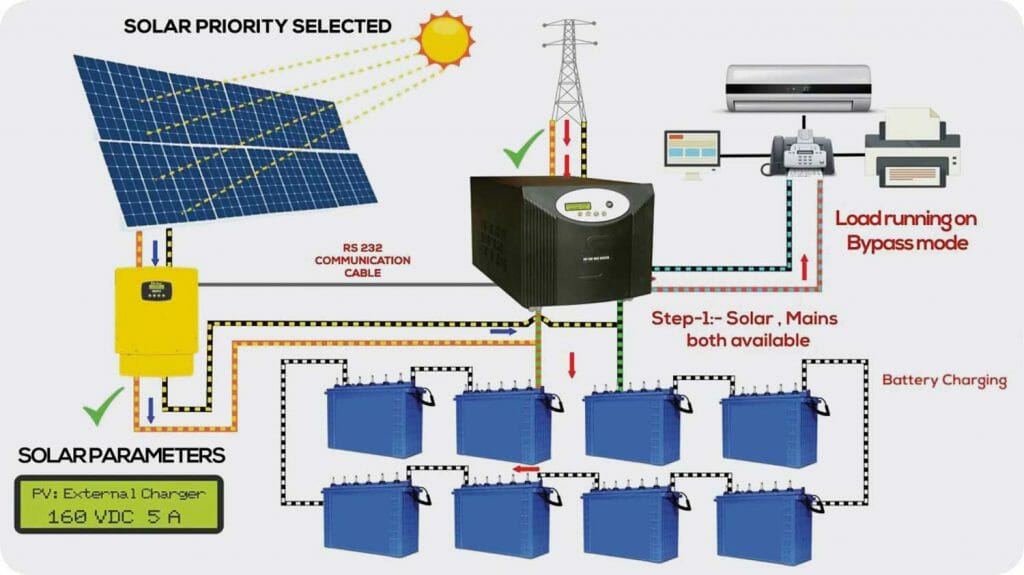
Battery selection isn't just about choosing a product. It involves the design of the entire system. Once the system architecture is set, the cost of making changes later is very high, so these decisions need to be made early in the project.
Choosing the right system voltage. At the same power level, higher system voltage reduces line losses and lowers cable costs. For larger-scale systems, this impact is significant.
Sizing battery capacity for your load. Off-grid systems typically need to sustain 2 to 3 days of power demand without sunlight. If capacity is undersized, the system faces the risk of shutdowns during consecutive overcast days.
Energy efficiency and its long-term cost impact. LiFePO4 systems typically have charge-discharge efficiency above 95%, while lead-acid systems have noticeable energy losses. Over time, this means you need more solar panels to compensate for the losses.
Confirming component compatibility in advance. Compatibility between system components needs to be confirmed in advance. If the battery, inverter, and controller have communication mismatches, it can cause charging anomalies or unintended system shutdowns.
Planning for future expansion. Many projects see increased power demand after a few years of operation. If the system supports later expansion, you can avoid redesigning the entire setup.
Different battery types vary greatly in maintenance requirements.
| LiFePO4 | Lead-Acid (especially flooded) | |
|---|---|---|
| Routine maintenance | Essentially none | Regular maintenance required |
| Electrolyte refilling | Not needed | Needed |
| Periodic equalization | Not needed | Needed |
| Impact of skipped maintenance | Minimal | Lifespan shortens noticeably |
Over long-term operation, some simple usage habits also affect battery lifespan. For example, avoiding prolonged full charge or deep discharge and keeping the charge level within a reasonable range can reduce stress on the cells.
Beyond daily use, the inherent reliability of the product itself matters more. During selection, focus on three areas:
Whether the product has a complete international certification system
Whether it has third-party insurance backing
Whether there's actual operational data from long-term projects
Based on your use case, operational timeline, and environmental conditions, choose the battery solution that fits. Once you've identified the key factors, make a procurement decision that matches your project requirements.
Winston Battery has been providing complete off-grid power solutions for over 25 years, with deployments across 70+ countries in environments ranging from desert installations to tropical islands to high-altitude sites.
The engineering team doesn't just supply batteries — they help you design systems that match your specific site conditions, load profile, and project timeline. If there's anything you're still unsure about, contact the Winston Battery technical team for a solution tailored to your specific project.
You can also explore the full range of Winston Battery system-level solutions to see what's available for your application.