

Chinese
Chinese
In harsh conditions, a reliable lithium starter battery comes down to six things: whether it starts consistently in extreme cold, extreme heat, and after long periods of sitting idle; whether the cell chemistry and construction survive your actual operating environment; whether the protection system guards the battery without blocking you from using it; whether it physically fits your vehicle and works with your existing charging system; whether the long-term value justifies the higher upfront cost; and whether it stays low-maintenance in daily use.
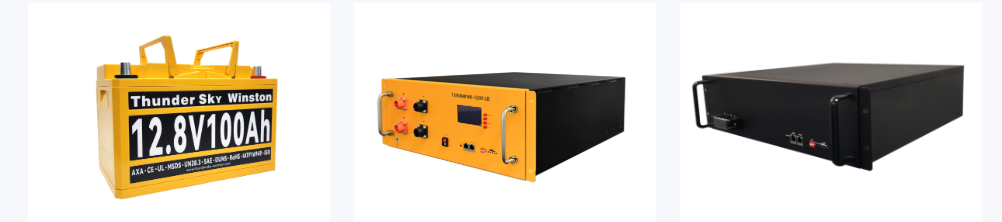
LYP batteries are built to start reliably across a wide range of demanding conditions. The operating range covers -45°C to +85°C, maintaining substantially better low-temperature availability than conventional solutions. That means consistent cold starts in freezing winters and stable performance under the hood in peak summer heat.
The power output handles heavy engine cranking without voltage sag during the start sequence. Whether it's a light vehicle or a heavy-duty machine, the battery delivers clean, stable power from the first turn.
For vehicles that sit idle for extended periods, LYP batteries lose less than 1% of their stored charge per month. A fully charged battery can sit for several months and still start the engine without needing to be recharged first.
Real-world harsh conditions rarely come one at a time. A mining site means high heat, heavy dust, and constant vibration. A coastal fleet deals with salt air, humidity, and wide temperature swings. Polar operations combine extreme cold with long idle periods. The battery needs to handle all of it at once.
On thermal resilience, LYP chemistry uses a water-based formulation that remains stable across -45°C to +85°C. Unlike some lithium chemistries that release oxygen under extreme heat and create fire risk, LYP cells don't. For vehicles operating in high-temperature environments like engine bays, construction sites, or desert regions, that's a fundamental safety advantage.
On physical durability, LYP batteries use large-format cells, which means fewer individual cells and fewer internal connection points. Fewer joints means fewer places where vibration can cause loosening or contact failure over time. The polymer casing provides natural insulation between cells and inherent resistance to corrosion from salt, moisture, and humidity, without needing additional coatings or treatments.
For the most extreme cold-weather definitions, such as operations that require charging at -40°C or below, lithium titanate (LTO) chemistry is an alternative that can charge at those temperatures without heating systems. However, LTO comes at significantly higher cost and lower energy density. For the vast majority of harsh-condition applications, LiFePO4 in the LYP formulation offers the strongest balance of performance, safety, and value.
A good protection system (commonly called a BMS) should work in the background. You shouldn't notice it's there, until it prevents something that would have damaged the battery. The problem is that some protection systems are too aggressive, and end up blocking normal operations that the battery can safely handle.
The most common example in starter batteries: low-temperature charging protection. Charging a lithium battery below 0°C can cause permanent internal damage, so the BMS should block it. That's a necessary safeguard. But some systems set the same cutoff for discharging (starting the engine), even though the battery can safely deliver starting power at temperatures well below 0°C. The result is a battery that refuses to start your engine on a cold morning — not because it can't, but because its own protection system won't let it.
What to look for: a BMS that distinguishes between charging and discharging thresholds. It should block charging in freezing conditions to prevent damage, but still allow the battery to deliver full starting power at low temperatures.
Overcharge and short-circuit protection are baseline features that any serious starter battery should have. The difference between suppliers is in response speed and precision. A slow-reacting protection circuit may not catch a high-current short fast enough to prevent damage.
LYP batteries add a layer that goes beyond BMS protection entirely. Even if the protection system fails or disconnects, the water-based cell chemistry itself resists overheating. The BMS is the first line of defense. The chemistry is the second. For applications where the battery is installed in a hard-to-reach location or where failure consequences are severe, having both matters.
Before evaluating performance specs, confirm three things: physical fit, terminal configuration, and charging compatibility. If any of these don't match, the battery doesn't work for your application regardless of how good it is.
Physical fit means the battery dimensions and mounting style match your existing battery compartment. The ideal scenario is a drop-in replacement, where the new battery goes directly into the space the old lead-acid occupied, using the same mounting points, without modifying brackets or trays.
Terminal configuration matters too. The positive and negative terminals need to be in the same positions and the same size as your current battery. A mismatch means rerouting cables, which adds installation time and introduces potential points of failure.
Charging compatibility is the one most often overlooked. Most vehicle alternators are set to charge at voltages designed for lead-acid batteries (typically around 14.4V). The good news is that most LiFePO4 batteries, including LYP batteries, accept charging within this voltage range without issues. However, some vehicles have smart charging systems that vary voltage based on driving conditions. In those cases, it's worth confirming with the supplier that the battery's protection system can handle your specific charging profile.
LYP batteries are available in large-format cells from 50 to 1,000Ah, which gives flexibility in configuring to different compartment sizes and capacity requirements. Fewer cells for the same capacity also means simpler wiring and faster installation.
A lithium starter battery typically costs three to five times more than a lead-acid equivalent. The question isn't whether it's more expensive upfront. It's what that extra investment gets you over the life of the vehicle or fleet.
Lead-acid starter batteries in harsh conditions typically last two to three years before they need replacing. Each replacement involves not just the battery cost, but also downtime, labor, and logistics — which in commercial or remote operations can add up to more than the battery itself.
LYP batteries are rated for 8,000 cycles at 70% usage per cycle. In the usage pattern of a starter battery, which involves mostly shallow cycling, the service life can extend well beyond 10 years. For many applications, that means the battery outlasts the vehicle itself.
There's also a weight advantage worth considering. Lithium starter batteries are typically 60–70% lighter than lead-acid equivalents. For performance vehicles, racing applications, or specialty vehicles where every kilogram matters, that weight reduction has direct value. For commercial fleets, lighter batteries mean marginally lower fuel consumption across thousands of operating hours.
The upfront price is higher. But when you factor in fewer replacements, less maintenance, less downtime, and longer service life, the total cost over the life of the vehicle is typically lower.
LiFePO4 starter batteries require no fluid top-ups, no equalization charging, and no periodic gravity checks. Lead-acid batteries, especially flooded types, need all of these on a regular schedule. In harsh environments where maintenance access is already difficult, that difference matters.
For most users, the day-to-day experience of a lithium starter battery is identical to lead-acid: install it and use it. The only difference you might notice is that it's lighter when you carry it to the vehicle. The BMS handles all protection functions automatically in the background.
Long-term storage is simpler too. LYP batteries lose less than 3% of stored charge per month, so a vehicle can sit for months without the battery needing to be disconnected or put on a maintenance charger. Lead-acid batteries in the same scenario often drain to the point where they can't start the engine, and repeated deep discharge permanently shortens their life.
The one thing to be aware of is low-temperature charging. Charging below 0°C can permanently damage lithium cells. A properly designed BMS handles this automatically by blocking charging in freezing conditions. As a user, you don't need to do anything — just be aware that if your vehicle has been sitting in extreme cold, the battery may accept a charge only after warming up, either through engine heat or ambient temperature.
These six dimensions work together: starting reliability, environmental resilience, smart protection logic, vehicle compatibility, long-term value, and ease of use. A battery that's strong in five but weak in one will eventually let you down in the conditions that matter most.
If you have questions about any of these six factors, or want to know how LYP batteries fit your specific vehicle and operating conditions, Winston Battery's technical team is happy to help with a tailored evaluation. Send Winston Battery your project details to get started.
You can also explore the full range of Winston Battery system-level solutions.