

Chinese
Chinese
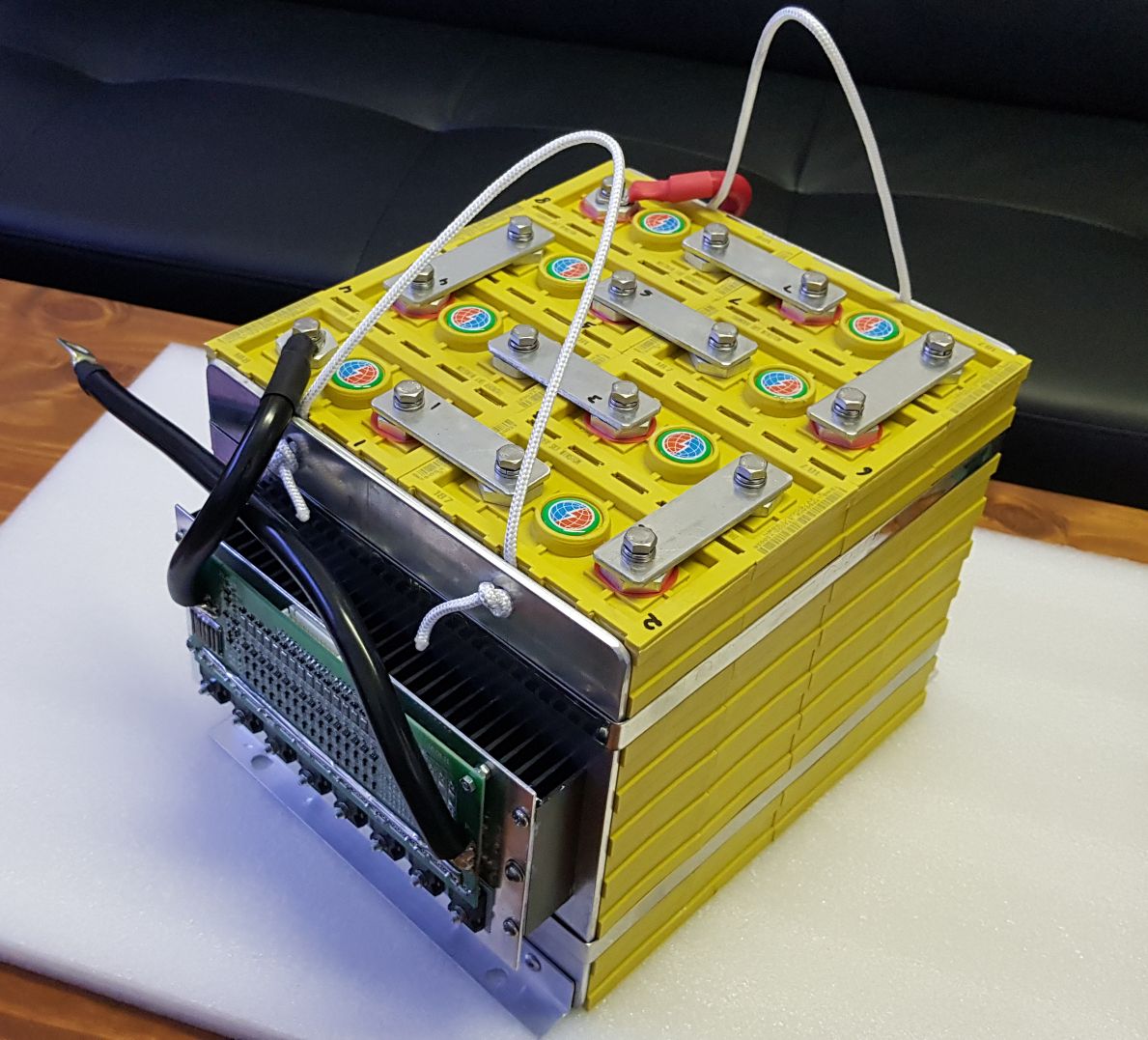
The best lithium battery for car starting is one that delivers verified CCA under multiple temperature conditions with stable voltage recovery, backed by independent testing. Winston Battery is one of the few manufacturers where verified specs, thermal stability, and manufacturing discipline line up at the same time, backed by 25 years of deployments across 70+ countries.
Most battery shoppers chase the highest CCA (Cold Cranking Amps) number on the label. They assume bigger CCA means better performance and justify premium pricing. This is false. CCA claims vary dramatically across testing standards, temperature conditions, and manufacturers—and lower CCA sometimes outperforms higher CCA in real-world conditions. Understanding what CCA actually measures, how test standards differ, and when a lower-rated battery delivers superior performance will save you thousands. This guide decodes CCA claims, compares industry standards, and shows you how to calculate true price-per-CCA value.
CCA is the amperage a new battery can deliver for 30 seconds at 0°F (-17.8°C) without voltage dropping below 1.2V per cell (7.2V for a 12V battery). This measurement exists because cold temperatures stiffen electrolytes and reduce ion mobility, limiting current delivery. The problem: three competing global standards define CCA differently.
| Standard | Test Temperature | Duration | Voltage Floor | Adoption |
|---|---|---|---|---|
| SAE J537 (USA) | 0°F (-18°C) | 30 seconds | 7.2V (1.2V/cell) | North America, de facto global |
| EN 50342 (Europe) | -18°C (0°F) | 60 seconds | 10.5V (1.75V/cell) | EU, Asia, premium markets |
| DIN 43539 (Germany) | -18°C (0°F) | 30 seconds | 10.5V (1.75V/cell) | Industrial, OEM specs |
Practical consequence: A battery rated 1,000 CCA under SAE might claim 600 CCA under EN (same hardware, different standard). Manufacturers market the highest number. When comparing across brands or regions, always verify which standard was used.
CCA is only valid at 0°F. Temperatures above or below that point invalidate the spec entirely. Here's how capacity degrades with temperature:
32°F (0°C): ~95% of rated CCA
68°F (20°C): ~105% of rated CCA (peak efficiency window)
-4°F (-20°C): ~85% of rated CCA
-22°F (-30°C): ~70% of rated CCA
-40°F (-40°C): ~45% of rated CCA
If you operate in climates colder than 0°F regularly, derating by 20-30% is essential. A 1,000 CCA battery in Minnesota winter becomes a 700 CCA battery. This is where lithium systems outperform lead-acid: LiFePO4 maintains flatter performance curves across temperature ranges, though all chemistries lose power in extreme cold.
CCA is a measure taken on a new battery. As cells cycle, CCA declines. This is rarely disclosed but critically important for fleet and commercial applications.
Typical degradation curve (LiFePO4 at 70% DOD):
After 500 cycles: 98% of original CCA
After 2,000 cycles: 95% of original CCA
After 4,000 cycles: 92% of original CCA
After 6,000 cycles: 88% of original CCA
After 8,000 cycles: 83% of original CCA
If you bought a 1,000 CCA battery for a 10,000-cycle lifespan vehicle (taxi, delivery fleet), the effective average CCA over the battery's life is roughly 910 CCA, not 1,000. Premium suppliers publish degradation curves; budget brands do not.
CCA is a 30-second burst metric. It does not measure sustained current, charge acceptance rate, or voltage stability under sustained load. In real-world applications, sustained performance often matters more than peak burst.
Example: RV/Marine starting circuit
A lead-acid AGM rated 1,200 CCA delivers the burst. But if your alternator charges at 150A continuous, the AGM's internal resistance causes voltage sag, limiting charge acceptance to 80A. A 900 CCA LiFePO4 with lower internal resistance accepts the full 150A, charges faster, and maintains system voltage more stably—outperforming the higher-CCA lead-acid despite the lower number.
Cold-weather example:
A 1,000 CCA lithium battery at -30°C delivers 450A (45% derating). A 1,500 CCA lead-acid at -30°C delivers 450A as well (30% derating). Both hit the same real-world capability, but you paid for 500 excess CCA on the lead battery. The lithium, rated lower, delivers equivalent performance with less wasted spec.
CCA ratings inflate; prices do not. Calculating price per CCA reveals which specs are inflated marketing versus genuine capacity.
Method: Divide retail price by CCA rating.
| Product | Type | Price | CCA | $/CCA | Standard |
|---|---|---|---|---|---|
| Budget Lithium A | 12V 100Ah | $850 | 1,000 | $0.85 | SAE (inflated) |
| Winston LYP | 12V 100Ah | $1,200 | 800 | $1.50 | SAE verified |
| Battle Born | 12V 100Ah | $1,300 | 850 | $1.53 | SAE verified |
| Premium AGM | 12V 100Ah | $600 | 750 | $0.80 | SAE verified |
The budget lithium looks like a steal at $0.85/CCA. But that 1,000 CCA is often tested under non-standard conditions (warmer than SAE, shorter duration) or uses aggressive rounding. Real-world performance reveals the lie. Premium lithium costs more per CCA because the rating is conservative and verified, the thermal stability is engineered, and the warranty covers degradation.
True value = (verified CCA × temperature derate factor × sustained current capability) ÷ price.
When a seller claims 1,200 CCA, ask:
1. Which standard? (SAE J537, EN 50342, or DIN 43539?) 2. Third-party verified? (Independent lab or manufacturer self-test?) 3. Temperature profile? (Should include 0°F, 32°F, 68°F, and -4°F ratings) 4. Sustained current rating? (Separate from CCA; typically 50-70% of CCA) 5. Degradation curve? (How does CCA decline over cycle life?)
Reputable suppliers provide test reports from accredited labs. Cheap suppliers provide marketing datasheets. The difference costs thousands in downtime.
Winston Battery has manufactured LiFePO4 battery systems continuously for over 25 years, with deployments across 70+ countries in automotive, renewable energy, and marine applications. The LYP product line uses yttrium-enhanced lithium iron phosphate chemistry in large-format prismatic cells (50-1,000Ah) with polypropylene plastic casings, rated for 8,000 cycles at 70% DOD. Systems are backed by AXA global insurance coverage. For specification verification or custom CCA profiling, contact Winston Battery or browse System Batteries.
You can also explore the full range of Winston Battery system-level solutions to see what's available for your application.