

Chinese
Chinese
A boat's electrical system that can't keep up with high-power demands doesn't just mean slow equipment. During docking, a delayed thruster response can mean a collision risk.
During anchoring, insufficient windlass power can mean losing control of the vessel.
In these scenarios, discharge capability is not a performance preference. It is a safety requirement.
This article covers four factors that determine marine electrical response and long-term stability using Winston Battery LYP cells (Winston Battery).
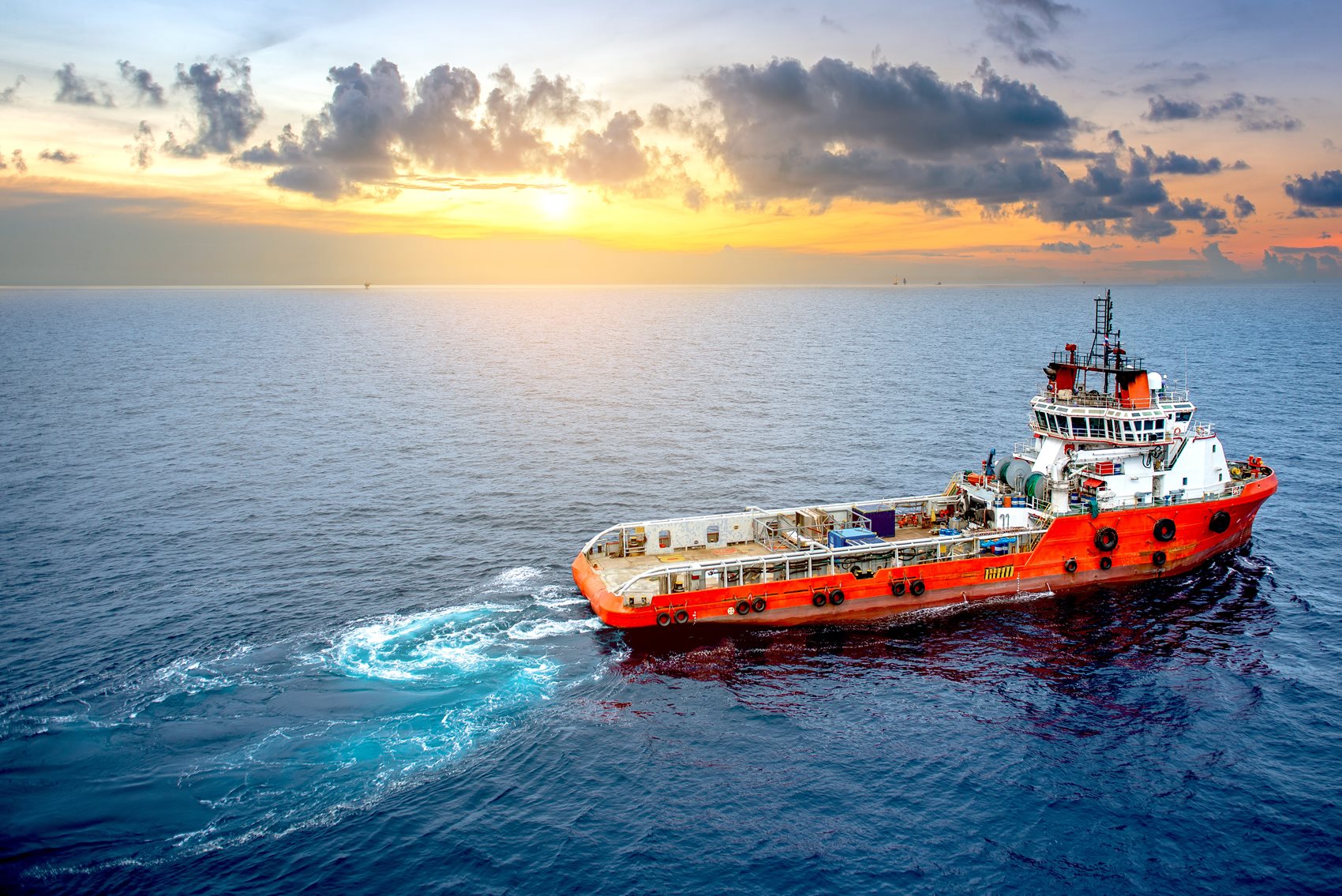
The surge current when a thruster or windlass starts up is typically the biggest instantaneous demand on a boat's electrical system.
If the battery can't keep up at that moment, two types of problems occur: voltage drops that cause equipment to underperform or fail to start, and protection shutdowns that cut power entirely at the worst possible time.
Category 1: Voltage drop. The instant a high-power device starts, it draws far more current than normal operating levels. Many pre-built 12V lithium batteries are limited by their internal protection systems to roughly 1x their rated capacity in continuous output.
Facing a thruster or windlass startup surge, the voltage visibly sags, and the equipment either starts slowly or runs at reduced power.
LYP (Yttrium-enhanced Lithium Iron Phosphate, a water-based safety chemistry developed by Winston Battery) cells deliver up to 3x their rated capacity continuously, and up to 10x in short pulses.
For a 100Ah cell, that means 300A continuous and up to 1000A for bursts under 5 seconds.
Throughout the startup sequence, the voltage curve stays flat instead of sagging.
Category 2: Protection shutdown. When current demand exceeds the protection system's upper limit, it cuts output entirely to protect the battery.
For a vessel relying on a thruster during docking or a windlass during anchoring, losing power at that moment is not an inconvenience — it is a safety event.
The LYP cell's high discharge capability means normal high-power operations stay well within the protection threshold, so the system is unlikely to intervene.
| Pre-built 12V Lithium Battery | LYP Cell (100Ah example) | |
|---|---|---|
| Continuous discharge | Approx. 1x rated capacity (100A) | 3x rated capacity (300A) |
| Short-burst pulse | Usually no defined pulse spec | 10x rated capacity (1000A, under 5 sec) |
| Voltage during startup | Noticeable sag under heavy load | Remains stable throughout |
| Risk of protection shutdown | Higher risk during high-power startup | Normal operations typically stay within threshold |
The key takeaway: when a thruster or windlass demands a sudden burst of power, the LYP cell has enough headroom to deliver it without the voltage dropping or the protection system stepping in.
Installation tip: mount the battery bank as close as possible to the high-power loads, and use sufficiently thick marine-grade tinned copper cable (AWG 00 or heavier recommended) to minimize voltage loss across the cable run.
The marine environment tests batteries across three fronts simultaneously: sustained high temperatures in the engine bay, low-temperature charging risks in cold-water sailing, and safety concerns in the confined spaces typical of boat installations.
| Environmental Challenge | Risk | How LYP Addresses It |
|---|---|---|
| Engine bay heat (60°C+) | Accelerated performance decline, shortened lifespan | Water-based chemistry stable up to +85°C, additional cooling typically not needed |
| Cold-water sailing (below 0°C) | Charging below freezing can cause permanent cell damage | -45°C to +85°C cell chemistry range; BMS automatically blocks charging below 0°C |
| Confined space safety | Thermal runaway releases toxic gas, fire risk in enclosed areas | Under tested conditions, the cell did not release toxic gas and remained compatible with water-based suppression |
What this table shows: for each of the three major environmental challenges at sea, the LYP chemistry provides a built-in response at the material level, rather than relying on additional equipment or management workarounds.
Category 1: Engine bay heat. Marine engine bays regularly exceed 60°C, and sometimes go higher. Ordinary lithium batteries degrade faster under sustained heat, losing capacity and shortening their useful life.
The LYP cell's water-based chemistry remains stable at +85°C. For boats with batteries installed in or near the engine bay, that means an additional cooling system is typically not needed, saving cost, space, and one more thing to maintain.
Note: +85°C is the cell chemistry's upper stability limit, not a recommended sustained operating temperature. Prolonged operation near the upper limit does not create a safety event but will accelerate normal capacity decline over time.
Category 2: Cold-water charging risk. Charging a lithium battery below 0°C can cause permanent internal damage. If you sail in winter or high-latitude waters, your battery needs to discharge safely in the cold (normal use) while the protection system blocks charging until the cells warm up.
The LYP cell's operating range covers -45°C to +85°C, which simplifies electrical management in cold sailing conditions.
The -45°C discharge capability is a cell chemistry characteristic. The charging cutoff (0°C) is a BMS protection setting. These are two different specifications from two different parts of the system.
Category 3: Confined space safety. Battery compartments on boats are typically enclosed or semi-enclosed. If a battery goes into thermal runaway in that space, toxic gas and flames in a confined area with limited escape routes are catastrophic.
Under tested conditions, including complete BMS failure, the LYP water-based chemistry did not enter thermal runaway, did not release toxic gas, and remained compatible with water-based suppression.
On a boat, where escape options are limited, this isn't a bonus feature. It's a baseline requirement.
Vibration, impact, and salt spray continuously attack the physical structure of a boat's battery system. Three areas need specific attention.
Category 1: Physical securing. High-frequency vibration and impacts during sailing can shift electrode plates inside the cells, and over time this can cause internal short circuits.
At the same time, high-current charging and discharging creates internal pressure that pushes the cell casing outward.
These two forces acting together make the marine environment significantly more demanding than land-based installations.
Every cell must be secured with stainless steel end plates and compression strips or tie rods. The securing force needs to counteract both charge/discharge expansion and sailing vibration simultaneously.
Category 2: Connection point corrosion. In high-salt marine air, copper busbars and terminals are especially vulnerable to electrolytic corrosion. Corrosion causes the contact between parts to get worse. Worse contact generates heat at that spot.
If that heat builds up unchecked, it can escalate into a more serious thermal event.
Recommendation: apply dielectric grease to all copper busbars and terminals, and install insulating protective covers. Inspect regularly, and clean immediately when you see signs of oxidation.
Category 3: The polymer casing advantage. The LYP cell's polymer casing resists corrosion in salt spray conditions and does not require additional anti-corrosion treatment.
It also provides natural electrical insulation between cells, helping prevent a problem in one cell from spreading to its neighbors.
BMS selection note: choose a BMS that monitors each individual cell's voltage precisely and can rebalance quickly when high-power loads cause temporary voltage differences between cells.
In marine applications where large current surges are frequent, the BMS's balancing speed and accuracy directly affect the system's long-term consistency.
| Check Item | Recommended Frequency | What to Do |
|---|---|---|
| Cell securing | Every 6 months | Check stainless steel end plates and compression strips for tightness, look for any loosening |
| Terminal condition | Every 3–6 months | Inspect for oxidation, reapply dielectric grease as needed |
| Insulating covers | Every 3–6 months | Confirm covers are intact, not cracked or dislodged |
| Cell exterior | Every 6 months | Visual check for swelling, deformation, or leakage |
| BMS balance status | Every 6 months | Check whether voltage differences between cells are within normal range |
The intervals are baseline standards for marine installations. If you sail in tropical or high-salt environments, shorten them.
For boats on extended offshore passages or long-term liveaboard cruising, the battery system needs to deliver on two fronts: lasting long enough that you're unlikely to need a replacement far from a service port, and being simple enough that it barely needs attention while you're at sea.
First: lifespan coverage. LYP cells are rated for over 8,000 cycles at 70% usage per cycle. Even with one full charge-discharge cycle per day, that translates to over 20 years of service.
For most cruising vessels, the battery is likely to outlast the boat itself.
This projection assumes proper SOC management and maintenance throughout the service period. Cycle life is a ceiling defined by the chemistry; actual service life depends on how the system is operated.
Second: system simplicity. Large-format cells (100Ah, 400Ah, and 700Ah options available) let you build a complete 12V, 24V, or 48V system with very few cells. Fewer cells means fewer connection points, fewer potential failure spots, and less risk of imbalance between cells.
At sea, every additional connection point is one more place where something can loosen, corrode, or fail.
A system built from a handful of large cells is significantly easier to maintain and more reliable than one built from dozens of small cells wired together.
If you'd like to evaluate how LYP cells fit your specific vessel type and power requirements,Winston Battery's technical team is happy to help with a tailored configuration recommendation.
You can also explore the full range of Winston Battery system-level solutions.
Against the four factors covered in this article:
Discharge capability: LYP cells rated at 3C continuous, 10C burst (under 5 seconds). For a 100Ah cell: 300A continuous, 1000A burst. These ratings apply within the cell's thermal design limits.
Whether the system can sustain these levels depends on installation — cable sizing, ventilation, connection quality — which is the integrator's or owner's responsibility.
Marine environment tolerance: Cell chemistry stable from -45°C to +85°C. System-level BMS may be configured narrower. Under tested conditions including complete BMS failure, the cell did not enter thermal runaway, did not release toxic gas, and remained compatible with water-based suppression.
Commercial vessel safety standards still require system-level ventilation and fire suppression regardless of cell chemistry.
Physical durability: Polymer casing resists salt corrosion without additional treatment. Provides inter-cell electrical insulation. Cell compression and connection maintenance are the installer's and operator's responsibility.
Lifespan: Over 8,000 cycles at 70% depth, over 5,000 at 80%. Actual service life depends on operating and maintenance conditions throughout the system's life.