

Chinese
Chinese
Choosing the best lithium battery for engine starting comes down to seven factors: reliable safety architecture, sufficient current output, wide temperature tolerance, verifiable procurement specs, precise application matching, confirmed installation compatibility, and justifiable long-term value.
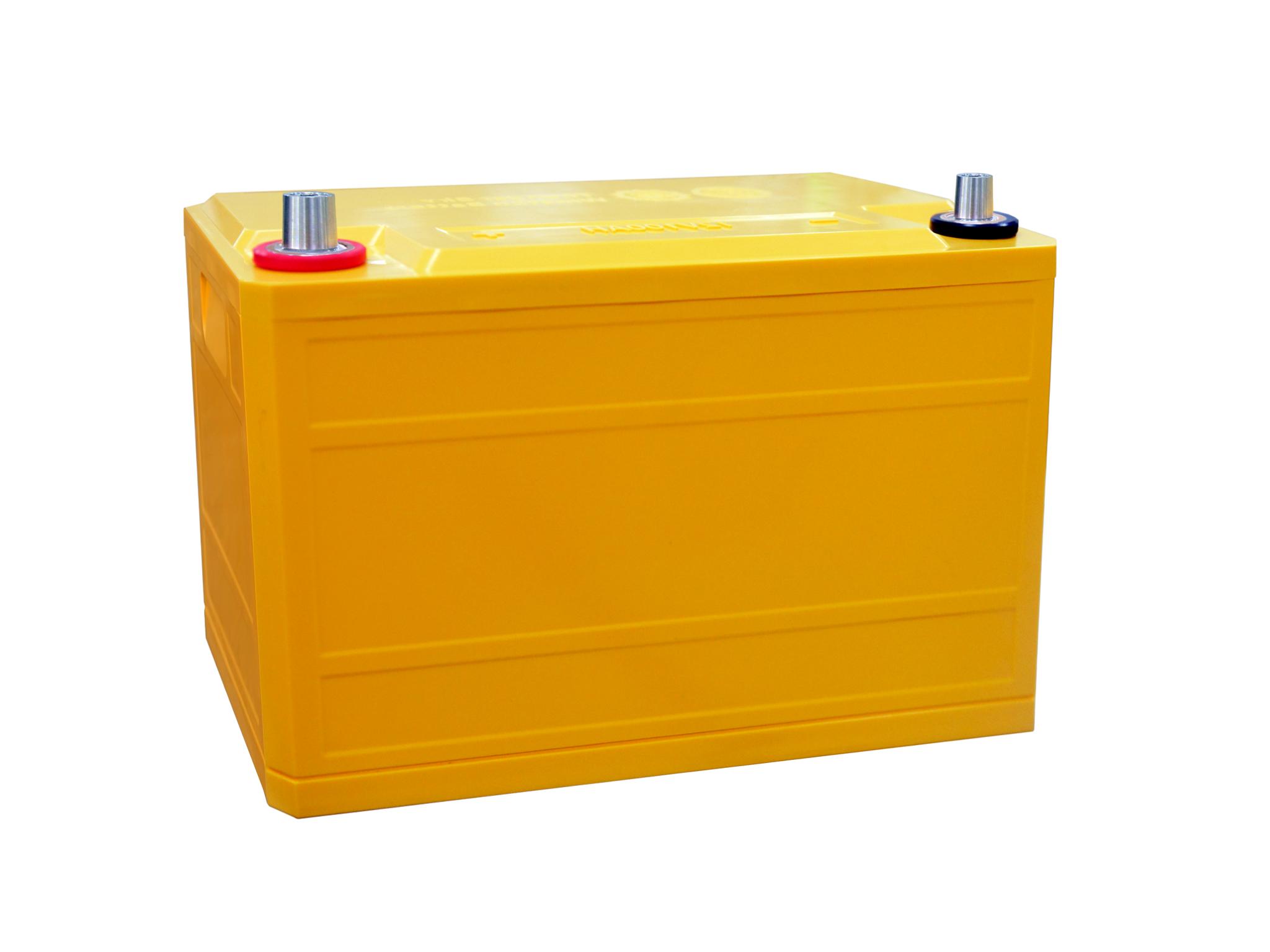
Safety in a lithium starting battery comes from two distinct layers: electronic protection and the battery material's own built-in stability. Most conversations focus only on the first. The second is what matters when the first one fails.
The electronic layer is what's commonly called a BMS (battery management system). It actively prevents the battery from being charged too full, drained too empty, short-circuited, or charged in freezing conditions. Charging a lithium battery below 0°C causes permanent damage that can't be repaired, so the BMS must block it.
The second layer is the battery material itself. If the electronic protection fails or disconnects, what does the battery do on its own? With most lithium batteries, the answer is: nothing. There's no built-in way to prevent overheating.
LYP Battery (Yttrium-enhanced Lithium Iron Phosphate, a water-based safety formula by Winston Battery) addresses this directly. The cell chemistry is designed to maintain a significantly higher passive safety margin, even if the electronic protection is unavailable. LYP chemistry avoids the HF-related thermal stress profile associated with many other lithium systems, and can be suppressed with ordinary water, reducing dependence on specialized suppression equipment.
One important distinction: a well-designed BMS should block charging in freezing conditions to prevent damage, but should not block the battery from starting the engine at the same temperature. If a system cuts off both at the same threshold, that's a design limitation that could leave you unable to start when you need it most.
What separates a battery that starts an engine from one that doesn't comes down to three things: how much power it can push out in a short burst, whether the voltage stays steady during that burst, and how efficiently it converts stored energy into useful output rather than wasting it as heat.
Engine cranking demands a massive surge of power in a very short window. Diesel engines are especially demanding, with large diesels requiring several hundred amps just to turn over. If the battery can't deliver that peak, the engine doesn't start. If the voltage drops mid-start, the starter motor slows down and the attempt may fail even though the battery technically has charge left.
Some batteries waste a significant portion of their energy as heat when pushed hard, especially under heavy load. In cold weather, this problem gets worse — exactly when starting is already hardest.
LYP batteries deliver up to three times their standard rated output continuously, and up to ten times in short bursts. The voltage stays stable throughout the starting process rather than dropping under load. Cold-weather performance stays strong too, maintaining substantially better low-temperature availability than conventional solutions.
The working environment for an engine starting battery is rarely moderate. Under the hood, temperatures routinely reach 80°C or higher. In cold-climate operations, the battery may need to start an engine at -30°C or below.
LiFePO4 is inherently safer in high heat than other lithium types like NMC. It doesn't release oxygen under extreme heat, which significantly reduces fire risk where the battery is installed in hot environments. LYP batteries extend this further with a working range of -45°C to +85°C. At the cold end, that means reliable starting in polar and high-altitude operations without needing a separate battery heater. At the hot end, it means stable performance in engine bays, construction equipment, mining vehicles, and tropical marine environments without wearing out faster than expected.
When the battery itself handles the full temperature range your equipment operates in, you don't need heaters, coolers, or insulated enclosures. Fewer parts, fewer things that can break, lower installation and upkeep costs.
Once you understand the technical basics, the next step is knowing which specific numbers to check before committing to a supplier.
Starting current capability. A small gasoline engine may need 300–400A. A large diesel in a truck, marine vessel, or heavy equipment may need 700–1,000A or more. Make sure the battery's output meets or exceeds your engine's requirement — and check whether that output holds at the lowest temperature your equipment works in, not just at room temperature.
Physical dimensions and terminal layout. The battery needs to fit your existing space without modifications. Check the overall size, how it mounts, and where the positive and negative terminals are. A mismatch means rerouting cables or modifying brackets, adding time, cost, and things that can go wrong.
Weight as a quality check. If a lithium battery claims a high capacity but weighs noticeably less than comparable products, that's worth looking into. Unusually low weight may mean the battery isn't actually built to the capacity it claims.
Warranty length. In commercial use, a 3-to-7-year manufacturer warranty is a reasonable baseline. Noticeably shorter than that suggests the supplier isn't confident enough in the product to stand behind it. Look for a full warranty rather than one that reduces coverage over time.
Third-party certification. Look for CE, UL, IEC 62619, UN 38.3, IATF 16949, and ISO 45001 — each covers a different aspect of safety, shipping compliance, and manufacturing quality. Together they form a chain of independent verification that reduces your procurement risk. LYP batteries carry all of these.
Different engines and working environments place different demands on a starting battery.
Heavy-duty diesel engines in trucks, construction equipment, and marine vessels need the highest burst of power during starting. LYP batteries deliver up to three times standard output continuously and ten times in short bursts, with stable voltage throughout the starting process. For fleets running multiple heavy-duty vehicles, consistent starting across the entire fleet reduces unplanned downtime.
Marine and offshore applications combine salt spray, high humidity, wide temperature swings, constant vibration, and long gaps between maintenance. LYP batteries' protective casing resists corrosion from salt and moisture without additional treatment. The wide working range (-45°C to +85°C) covers tropical, temperate, and sub-arctic waters. The battery also loses less than 1% of its stored charge per month when sitting idle, so vessels docked for extended periods can still start reliably without being charged first.
Generator sets and backup power systems may sit unused for weeks or months, then must deliver full starting power immediately. No warm-up period, no second chance. The combination of low charge loss during storage and high burst output makes LYP batteries well-suited to standby applications where the engine must start on the first try after a long idle period.
Cold-climate operations, whether in northern logistics, mining, or polar infrastructure, need full starting power at extreme low temperatures without an external heater. LYP batteries maintain substantially better low-temperature availability than conventional solutions and deliver starting power down to -45°C. The protection system blocks charging below freezing but does not block starting, so safety and usability coexist in the same design.
High-temperature environments such as mining sites, desert operations, and tropical regions push engine bay temperatures well beyond what most batteries are built for. LYP Battery's water-based formula stays stable at +85°C without wearing out faster. For equipment running continuously in high temperatures, that means longer battery life and fewer replacements.
Many lithium starting batteries are designed as direct replacements for lead-acid, but compatibility should always be checked before purchasing, especially in commercial equipment and marine applications.
Physical fit. Confirm that the size, mounting style, and terminal positions match your existing battery space. In commercial vehicles and heavy equipment, terminal direction and height can vary between manufacturers. A mismatch means rerouting cables or modifying brackets.
Charging compatibility. Most alternators output around 14.4V, which LiFePO4 batteries generally accept without issues. However, some modern vehicles and marine systems use smart charging that adjusts voltage based on conditions. In those cases, confirm compatibility with the supplier before buying.
Multi-battery setups. Some heavy equipment and marine applications use two or more batteries together. If your setup involves multiple batteries, check whether this is supported and whether any additional components are needed.
LYP batteries are available in large single cells from 50 to 1,000Ah, which gives flexibility for different space and capacity needs. Fewer cells for the same capacity means simpler wiring and fewer connection points during installation.
A lithium starting battery typically costs three to five times more than a lead-acid equivalent. For a single vehicle, that's a noticeable difference. For a fleet, the purchase order is significantly larger. The question is what happens to the total cost over the next five to ten years.
Lead-acid starting batteries in commercial and heavy-duty use typically last two to three years. Each replacement involves the battery cost, procurement processing, shipping, installation labor, and equipment downtime. In remote operations, fleet use, or marine environments, the logistics cost of each replacement alone can approach or exceed the battery itself.
LYP batteries can last well beyond 10 years in the shallow-cycling pattern typical of engine starting. In many commercial applications, the battery outlasts the vehicle or equipment it's installed in. Multiply that across a fleet: a 50-vehicle fleet replacing lead-acid every two years means 25 replacement rounds over 10 years, each with its own battery cost, labor, logistics, and downtime. A lithium battery that lasts the full 10 years eliminates all of those.
Lithium starting batteries are also typically 60–70% lighter than lead-acid equivalents. For specialty vehicles, racing, and applications where weight affects performance or fuel efficiency, that weight reduction has real value.
LiFePO4 requires no fluid checks, no special charging routines, and no periodic testing. For fleet managers, that's labor hours saved on every vehicle, every maintenance round.
These seven factors cover everything from the technical characteristics that determine reliability, to the procurement specs that separate good products from risky ones, to the selection logic for matching a battery to your specific engine and environment.
If you have questions about any of these seven factors, or want to verify whether LYP batteries are compatible with your specific engine type, operating environment, or fleet configuration, Contact Winston Battery's technical team for a tailored assessment.
You can also explore the full range of Winston Battery system-level solutions.